Custom shop, boutique builder or partscaster?
Someone posts a guitar they love, another person asks who made the neck, and the conversation turns into an argument about whether it counts as a “real” custom guitar. I’ve never found that argument particularly useful when evaluating an instrument.
I do think builders should be clear about where the parts come from and what work they do. A buyer deserves that information. Then you can judge the finished guitar and decide whether the price makes sense.
What the names mean
A custom shop is usually a specialist division within a larger guitar company. The available options depend on the particular program. A guitar carrying a custom-shop name might be an individual commission or an instrument built to specifications chosen by a dealer.
A boutique builder is an independent builder or small company. Some make their own bodies and necks. Others buy them from specialist suppliers, and some use a combination of both approaches. Ask how the particular guitar you’re considering was made.
“Partscaster” generally refers to a guitar assembled from separately sourced parts, often using a Strat- or Tele-style design. That can describe someone’s first home project or an instrument assembled and finished by an experienced builder. The word covers a wide range of work.
Check the work you can see and feel
Play the guitar across the whole neck. Check for sharp fret ends, notes that buzz or die out, and bends that choke. Try it at the string gauge and action you intend to use. A setup that works for one player’s touch may need adjustment for another.
Test every pickup position and control. Listen for intermittent connections or a jack that cuts out when the cable moves. If the guitar has a tremolo, check whether it returns to pitch. These checks tell you more about that particular instrument than its category does.
When buying remotely, ask for detailed photographs and a demonstration of anything you need to hear. Confirm the component models in writing. “Upgraded pickups” or “premium hardware” doesn’t tell you what you’re buying.
Ask about support before paying
Find out who handles an adjustment after delivery, what the warranty covers and how a return would work. Read the actual terms, including any deadlines and shipping costs. Keep the agreed specifications with the quote so you and the builder have the same record.
Customer feedback can help here. Look for comments about communication and how the seller handled a problem, as well as whether the buyer liked the guitar. JTal’s customer reviews include feedback on both the instruments and the ordering experience.
Where JTal’s parts come from
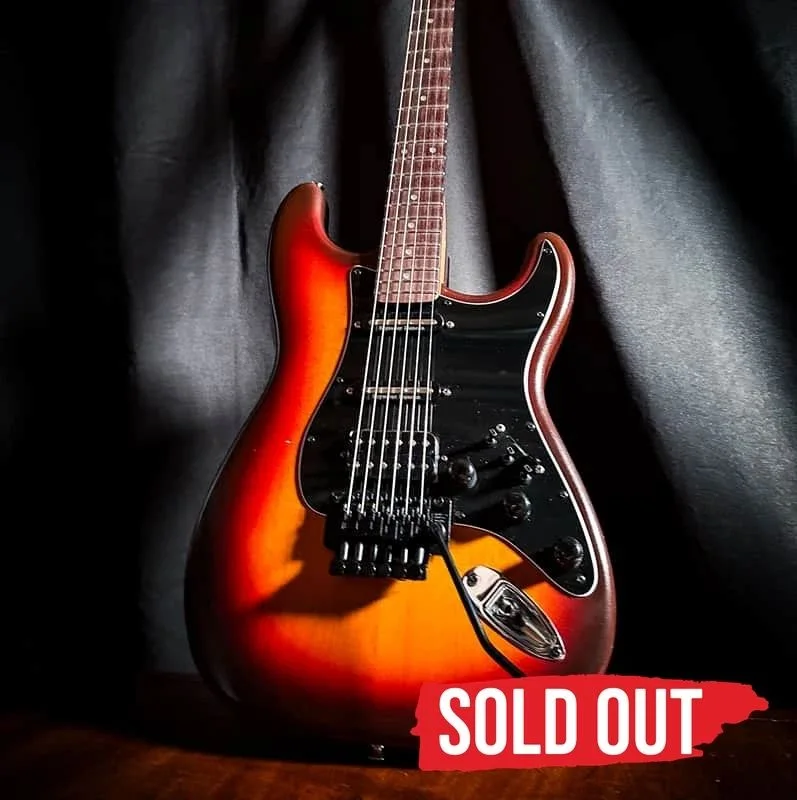
For the MJT x JTal Crosswired Series, MJT Aged Guitars supplies the finished bodies. I choose the neck, pickups and hardware, then handle assembly, wiring and setup here in Elkhorn, Nebraska. MJT gets credit for its work, and each build’s specifications will identify the parts used.
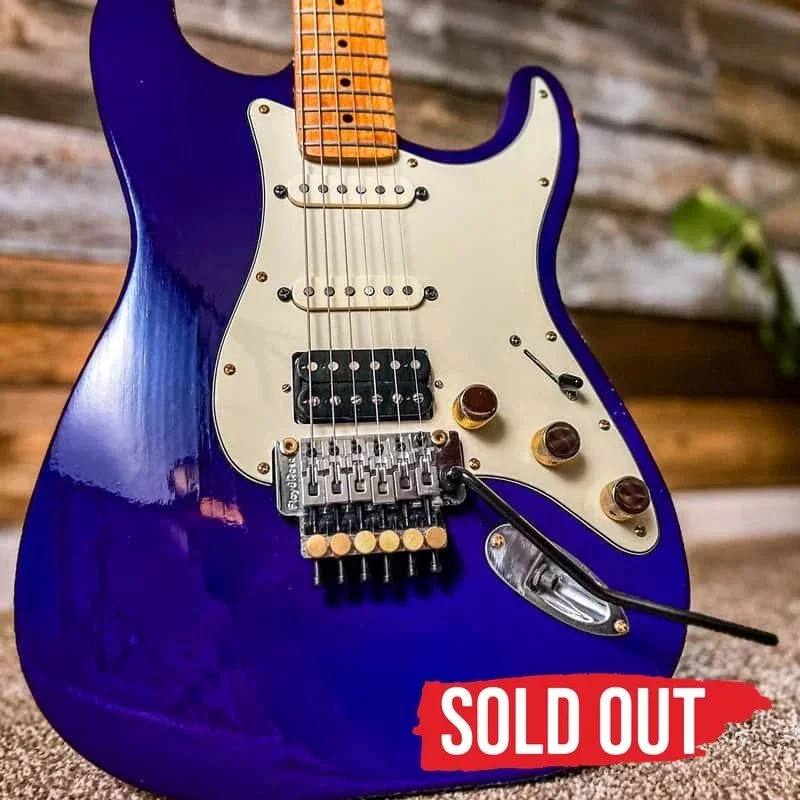
Past builds have used other suppliers. Shawn Cox at NoMoonLaser in Omaha made the Eastern white pine body for Plum Paragon #1006 to JTal specifications. Its build page lists the James Tyler pickups, Original Floyd Rose and other components. That guitar has sold; the page remains available as a record of the build.
If you’re considering a JTal custom order, the ordering page explains estimates, payment and progress updates. Email john@jtalguitars.com with questions about a particular build or the parts you’re considering.
The custom guitar build checklist covers the specifications to discuss before ordering.